
Ensuring Workplace Safety with N95 Mask Fit Testing in Toronto

 In the bustling city of Toronto, where diverse industries thrive, workplace safety is a top priority. Among the various safety measures, N95 mask fit testing, often referred to as the N95 Fit Test, stands out as a crucial component. At safety first training, understand the significance of N95 mask fit testing in Toronto and its role in safeguarding employees across different sectors.


What is the N95 Fit Test?

The N95 mask is a highly effective respiratory protection device that is commonly used in workplaces where employees may be exposed to airborne hazards. However, more than the mere presence of N95 masks is needed to guarantee safety.


Why is N95 mask fit testing in Toronto crucial?
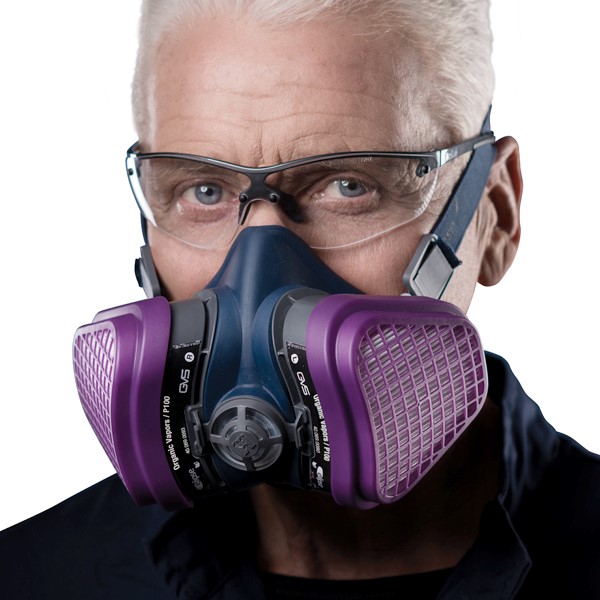
Optimal Protection: A proper N95 fit test ensures that the mask creates a secure seal around the wearer's face, minimizing the risk of contaminants infiltrating.

Compliance with Safety Regulations: In Toronto, adhering to safety regulations and standards is not just recommended; it's mandatory. Mask fit testing is often a requirement in many industries, including healthcare, construction, and manufacturing. 

Individualized Fit: Every face is unique, and a one-size-fits-all approach doesn't work when it comes to respiratory protection. N95 mask fit testing ensures that each worker wears a mask that fits them perfectly, reducing the chances of leakage and ensuring maximum protection.

Cost-Effective: A proper fit means that fewer masks will be wasted due to improper fit, reducing unnecessary expenses for businesses in Toronto. Additionally, it minimizes the risk of mask-related illnesses and injuries, further saving costs.


N95 Mask Fit Testing Process

N95 mask fit testing Toronto typically involves two methods: qualitative and quantitative fit testing.
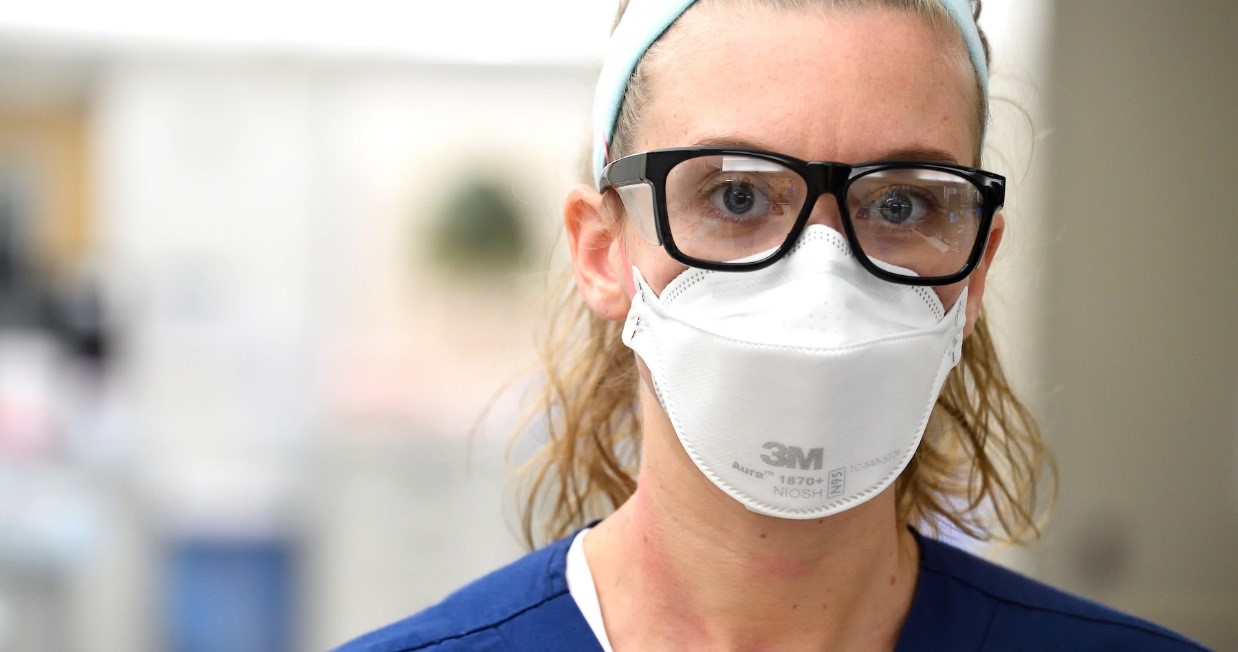
Qualitative Fit Testing: This method relies on the wearer's subjective assessment of whether they can detect the taste or smell of a test agent (usually a bitter or sweet solution) while wearing the mask. This method is commonly used for disposable N95 masks.

Quantitative Fit Testing: In contrast, quantitative fit testing employs specialized equipment to measure the mask's fit objectively. This method provides a numerical fit factor, ensuring a more accurate and precise fit assessment. It is often used for reusable N95 masks.


Conclusion:

In Toronto, where working environment security is fundamental, N95 veil fit testing is a fundamental component of representative assurance. Their broad involvement with giving security courses and preparing across assorted areas is your believed accomplice in guaranteeing working environment wellbeing. Safeguard your workers and guarantee administrative consistency by planning an N95 fit test with Security Preparing. Your workers' prosperity and security are their primary concerns. Visit safetyfirsttraining.ca for more data on their extensive security preparation administration.


Check out our site for more details:-

Forklift Training Ontario

telehandler training Ontario

Comments

Popular posts from this blog

Breathe Safely: The Critical Importance of Respiratory Mask Fit Testing

Have you ever considered how crucial the fit of your respiratory mask is to your safety? In environments where hazardous substances are present, the difference between a well-fitted mask and a poorly-fitted one can be critical. This is where Half Mask Fit Testing and Respiratory Mask Fit Test procedures become essential, ensuring that protective equipment provides maximum safety. This article explores why proper mask fitting is vital and how it can save lives in hazardous work environments. Understanding the Need for Respiratory Mask Fit Testing In sectors where workers are exposed to airborne toxins, such as healthcare, construction, and chemical manufacture, respiratory masks are a typical sight. The purpose of these masks is to shield the user from dangerous gases, particles, or vapours. However, a mask needs to fit the wearer's face securely in order to provide maximum protection. Any openings could allow impurities to get past the filter and into the respiratory system, making...

Prioritizing Employee Well-being with Corporate First Aid and CPR Training in Toronto

  The safety and wellbeing of employees must always be prioritized in the fast-paced workplace of today. Accidents can happen at any time, and having employees trained in first aid and CPR (cardiopulmonary resuscitation) is not just a best practice; it's a lifesaving necessity. Corporate first aid and CPR training in Toronto is an essential investment that can make all the difference in emergencies. This article explores the significance of corporate first aid and CPR training and their role in creating a safer workplace.   Understanding Corporate First Aid and CPR Training Corporate First Aid and CPR Training  is a specialized program designed to equip employees with the knowledge and skills to respond effectively in medical emergencies. This training includes instruction on administering basic first aid and CPR techniques, recognizing and addressing common workplace injuries, and using automated external defibrillators (AEDs) when necessary.   Why are corpora...

Mastering Traffic Control: Essential Training and Certification in Ontario

In bustling urban centers like Ontario, managing traffic flow isn't just a matter of convenience—it's a critical aspect of public safety. With roads becoming increasingly congested and construction projects dotting the landscape, the role of trained traffic control personnel has never been more important. In this article, we'll delve into the significance of  Traffic Control Training Ontario  and explore the process of obtaining traffic control person certification in the province. Understanding Traffic Control Training Traffic Control Training equips individuals with the knowledge and skills necessary to effectively manage traffic in various scenarios, including construction sites, events, and road closures. This training is designed to ensure that traffic flows smoothly while minimizing the risk of accidents and injuries. In Ontario, specialized training programs are available to aspiring traffic control personnel. These courses cover a range of topics, including tra...