Propane, a widely used energy source in construction sites, powers everything from portable heaters to equipment and vehicles. Its efficiency and portability make it a favored choice among professionals. However, the safe handling and operation of propane-powered equipment, especially construction heaters, necessitate comprehensive training. This article explores the critical aspects of Propane Construction Heaters Safety Training and Propane in Construction Training Ontario, highlighting their importance in maintaining a safe working environment.
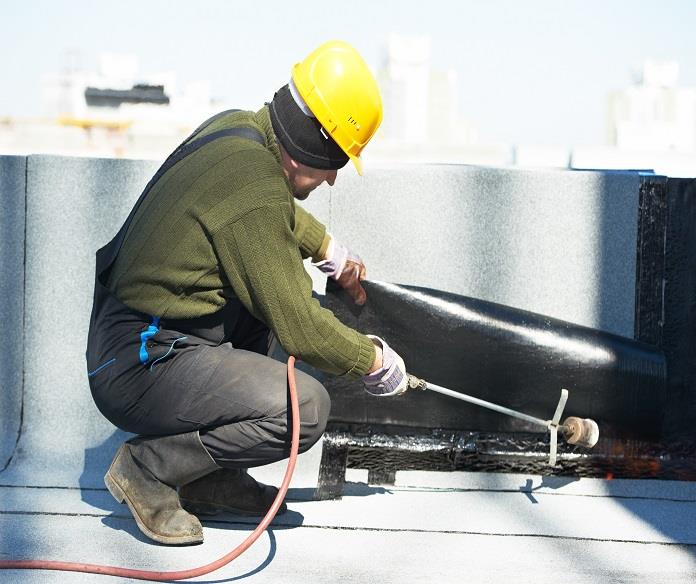
The Need for Specialized Safety Training
Construction sites are dynamic environments with a plethora of activities happening simultaneously. The introduction of propane-powered equipment adds a layer of complexity to the safety measures required. Propane, being highly flammable, demands respect and understanding to be used safely. It's here that specialized safety training becomes not just beneficial but essential.
Propane Construction Heaters Safety Training focuses on equipping workers with the knowledge to operate heaters safely. This training covers the proper installation, operation, and storage of propane heaters, emphasizing the prevention of leaks and understanding the correct response to a propane emergency. It’s a crucial step in safeguarding against the risks of fire and explosion, particularly in the confined spaces of a construction site.
Propane in Construction Training Ontario extends beyond heaters, encompassing a broader curriculum that includes the safe handling, storage, and transportation of propane on construction sites. This training is tailored to meet the regulatory requirements in Ontario, ensuring that workers and supervisors are well-versed in provincial safety standards and practices.
Critical Components of Effective Propane Safety Training
Effective training programs combine theoretical knowledge with practical skills. They cover:
Propane Properties and Hazards: Understanding the physical properties of propane and the potential hazards associated with its use.
Operational Safety: Guidelines for safely operating propane-powered equipment, including construction heaters.
Emergency Procedures: Steps to take in the event of a propane leak or fire, including evacuation plans and emergency contact information.
Regulatory Compliance: Familiarity with local and national safety regulations governing the use of propane in construction.
These components ensure that workers can confidently and safely manage propane on any construction site, minimizing the risk of accidents and injuries.
Propane Construction Heaters and Propane Safety Training in Ontario
Midway through our discussion, it's clear that both Propane Construction Heaters Safety Training and Propane in Construction Training Ontario play pivotal roles in construction safety. These training programs are not just about compliance; they are about ensuring that every worker returns home safely at the end of the day. By fostering a culture of safety, construction sites can be both efficient and secure.
In conclusion, the significance of specialized training in the safe use of propane and propane construction heaters cannot be overstated. For construction professionals in Ontario seeking comprehensive and regulatory-compliant training, Safetyfirsttraining.ca stands as a beacon of excellence. Their programs are meticulously designed to cover all aspects of propane safety, ensuring that workers and supervisors are not just compliant but competent and confident in their ability to handle propane safely.
Check out our site for more details.
Comments
Post a Comment