
Ensuring Optimal Protection: The Importance of Mask Fit Testing

 In the quest for maintaining workplace safety, particularly in environments where airborne hazards are a concern, the significance of Masks Fit Testing cannot be overstated. This critical safety procedure ensures that the respiratory protection equipment used by employees provides the intended level of protection against hazardous substances. With the rising awareness of occupational health and safety standards, understanding the intricacies of Respiratory Mask Fit Test procedures has become paramount for organizations across various industries.
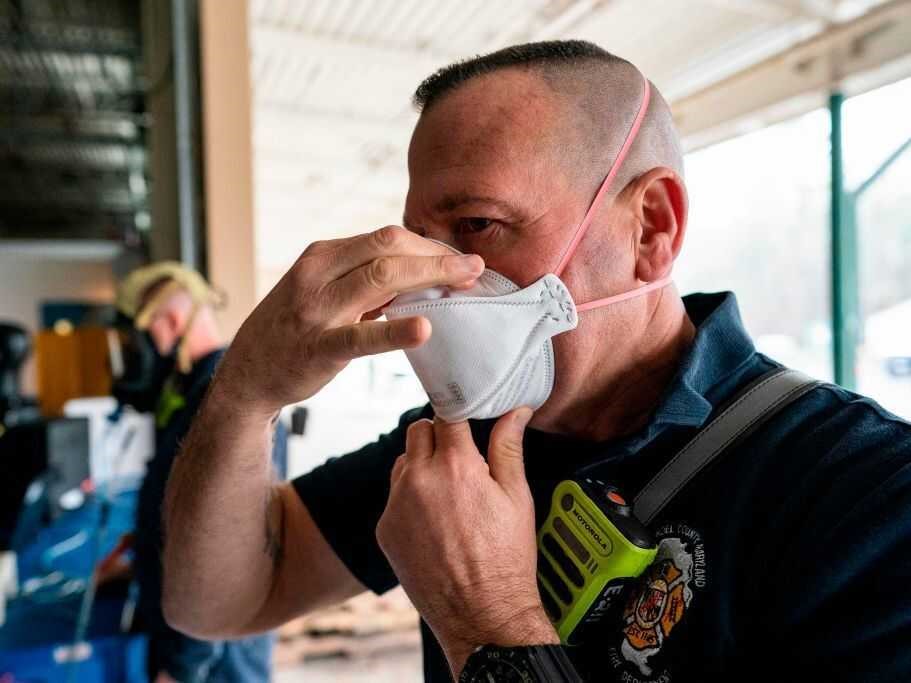
The Essence of a Proper Fit

A well-fitting respiratory mask is the cornerstone of adequate protection against airborne contaminants. Whether it's dust, chemicals, or biological hazards, the mask's fit on the user's face determines its effectiveness. A gap or poor seal can render the most advanced respirator ineffective, allowing harmful particles to bypass the filter and be inhaled by the wearer. This is where the importance of Mask Fit Testing comes into play, ensuring that each worker is equipped with a mask that fits their unique facial features snugly and securely.

Conducting a Respiratory Mask Fit Test

A Respiratory Mask Fit Test is typically conducted in two main categories: qualitative and quantitative. The qualitative fit test relies on the wearer's sensory detection of a test agent, such as taste or smell, to assess the mask's fit. In contrast, a quantitative fit test measures the amount of leakage into the mask using specialist equipment, giving an unbiased evaluation of the mask's fit.

Both methods require the wearer to perform a series of exercises that simulate movement during work, such as turning the head from side to side, moving the head up and down, talking, and bending over. These activities help to ensure that the mask remains effectively sealed against the face during typical work movements.

The Role of Professional Fit Testing Services

Given the critical nature of mask fit and the potential complexities involved in conducting accurate tests, many organizations turn to professional fit testing services. To guarantee conformity with safety norms and laws, these services have the knowledge and tools to conduct quantitative and qualitative fit testing. Moreover, they can provide invaluable guidance on the selection of appropriate respiratory protection equipment for various work environments and hazards.

In conclusion, it is essential to ensure the health and safety of personnel in hazardous work situations by regularly conducting mask fit testing and respiratory mask fit test sessions. It is a critical step that should be considered in the development and implementation of a comprehensive occupational health and safety program.

For further info, visit our site.

Health and Safety Consulting

Confined Space Entry Training

Comments

Popular posts from this blog

Breathe Safely: The Critical Importance of Respiratory Mask Fit Testing

Have you ever considered how crucial the fit of your respiratory mask is to your safety? In environments where hazardous substances are present, the difference between a well-fitted mask and a poorly-fitted one can be critical. This is where Half Mask Fit Testing and Respiratory Mask Fit Test procedures become essential, ensuring that protective equipment provides maximum safety. This article explores why proper mask fitting is vital and how it can save lives in hazardous work environments. Understanding the Need for Respiratory Mask Fit Testing In sectors where workers are exposed to airborne toxins, such as healthcare, construction, and chemical manufacture, respiratory masks are a typical sight. The purpose of these masks is to shield the user from dangerous gases, particles, or vapours. However, a mask needs to fit the wearer's face securely in order to provide maximum protection. Any openings could allow impurities to get past the filter and into the respiratory system, making...

Prioritizing Employee Well-being with Corporate First Aid and CPR Training in Toronto

  The safety and wellbeing of employees must always be prioritized in the fast-paced workplace of today. Accidents can happen at any time, and having employees trained in first aid and CPR (cardiopulmonary resuscitation) is not just a best practice; it's a lifesaving necessity. Corporate first aid and CPR training in Toronto is an essential investment that can make all the difference in emergencies. This article explores the significance of corporate first aid and CPR training and their role in creating a safer workplace.   Understanding Corporate First Aid and CPR Training Corporate First Aid and CPR Training  is a specialized program designed to equip employees with the knowledge and skills to respond effectively in medical emergencies. This training includes instruction on administering basic first aid and CPR techniques, recognizing and addressing common workplace injuries, and using automated external defibrillators (AEDs) when necessary.   Why are corpora...

Elevating Safety: Moffett Forklift and Bucket Truck Training

  In industries where heights are part of the job, safety is paramount. Whether operating a Moffett forklift or a bucket truck, proper training is crucial for preventing accidents and ensuring workplace safety.   The Importance of Moffett Forklift Training: Moffett forklifts are versatile machines designed for lifting and transporting heavy loads. However, operating them requires specialized skills and knowledge. Moffett forklift training  provides workers with the expertise needed to handle these powerful machines safely and efficiently.   Benefits of Bucket Truck Training: Bucket trucks are indispensable for working at elevated heights in telecommunications, forestry, and utilities. Bucket truck training  equips operators with the skills to maneuver these vehicles safely, minimizing the risk of accidents and injuries.   Safety First: Moffett Forklift Training Moffett forklift training courses cover various aspects, including machine operation...