Imagine a world where every height-related task is executed with unmatched safety and precision. This scenario isn't just a dream—it's a realistic goal that can be achieved through dedicated lift operator training. Both aerial lifts and scissor lifts are vital to various industries, including construction and warehousing, making their safe operation a critical concern. Ensuring that operators are well-trained is not merely a compliance requirement; it's a cornerstone of workplace safety.
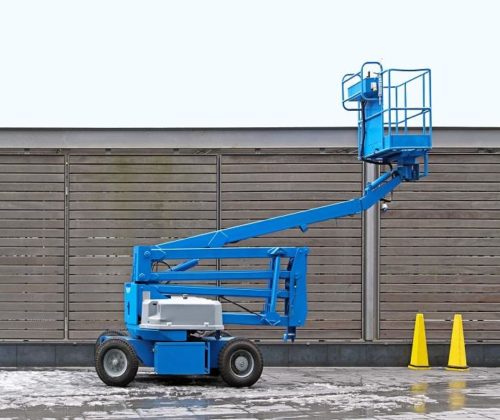
Mastering the Heights with Aerial Lift Training
The Aerial lift training is essential for anyone who operates these machines. These lifts are capable of reaching significant heights and require operators to handle them with expert care and knowledge. The training encompasses understanding the mechanics of aerial lifts, recognizing safety hazards, and learning the proper procedures for navigating them. This training ensures that every operator is equipped with the knowledge to perform tasks efficiently while minimizing risks.
The Importance of Comprehensive Training Programs
A thorough training program doesn't just cover the basics; it dives deep into the nuances of safe operation. This includes practical hands-on experience under supervised conditions, which helps operators gain confidence and competence. Additionally, these programs often include emergency response training, teaching operators how to react swiftly and safely in case of a malfunction or accident.
Enhancing On-the-Job Safety with Scissor Lift Training
Moving to another crucial piece of equipment, the Scissor Lift Operator Safety Training plays a pivotal role in ensuring that operators are well-prepared to handle these specific types of lifts. Scissor lifts, used for vertical ascent and descent in confined spaces, pose unique challenges, including stability issues and maneuvering in tight areas. This specialized training addresses these challenges directly, empowering operators with the skills to use scissor lifts safely and efficiently.
Benefits of Specialized Scissor Lift Safety Programs
Participants in Scissor Lift Operator Safety Training learn about the structural differences between various models, the importance of weight limits, and the correct use of safety gear. The training also covers the inspection routines necessary before and after the use of scissor lifts, fostering a proactive approach to safety management. Such comprehensive training not only enhances individual competency but also significantly contributes to a safer working environment.
Investing in high-quality training for aerial and scissor lift operators is an investment in safety and efficiency. Properly trained operators are not only less likely to be involved in workplace accidents but also contribute to the smoother, more efficient operation of their respective tasks.
For organizations and individuals eager to enhance their safety training programs, Safetyfirsttraining.ca offers a range of specialized courses, including both aerial and scissor lift training. By choosing to train with experienced professionals, you ensure that safety is not just a priority but a guarantee. Equip your team with the skills needed to handle every challenge safely and proficiently. Explore these training opportunities today and lift your safety standards to new heights.
You can find more information on our website, so check it out.
Comments
Post a Comment